Makkah & Madinah Ziyarat Packages by Azam Travel
Explore the most sacred Ziyarat places in Makkah and Madinah. Discover the history of 40 holy sites, including Cave Hira, Mount Uhud, and Masjid Quba.
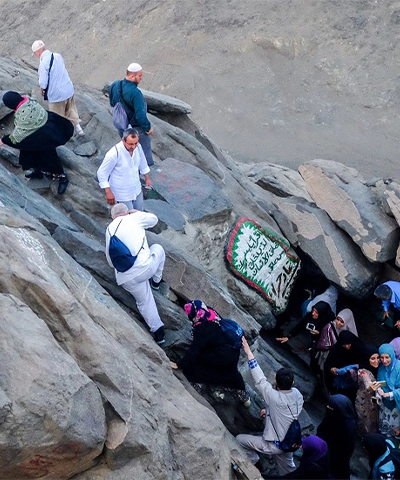
Located east of the Grand Mosque, this distinctively shaped mountain is the birthplace of Quranic revelation. Before his Prophethood, Prophet Muhammad ﷺ spent days worshipping in the Cave of Hira. It was here that Angel Jibril delivered the very first verses of the Holy Quran: "Read in the name of your Lord who created" [Surah Al-Alaq: 1].
Why Visit: Stand at the exact starting point of Islamic history and experience the profound peace of the Prophet's ﷺ spiritual retreat.
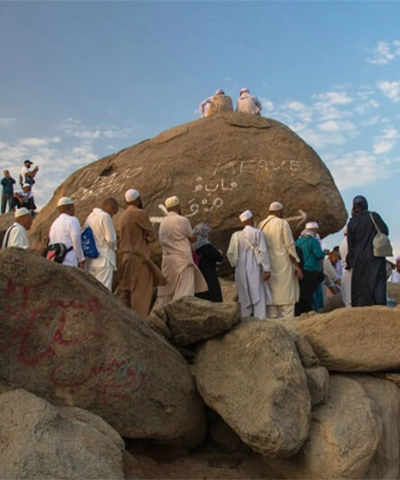
Located south of the Grand Mosque, this mountain stands as an eternal symbol of absolute trust in Allah. During the migration (Hijrah) to Madinah, Prophet Muhammad ﷺ and Abu Bakr (RA) took refuge in the Cave of Thawr for three nights. Miraculously protected from the pursuing Quraysh, Allah immortalized this moment: "Do not grieve; indeed Allah is with us." [Surah At-Tawbah: 40].
Why Visit: Connect with the monumental sacrifices of the Hijrah and witness the site of one of Islam's greatest miracles of divine protection.
Go To Location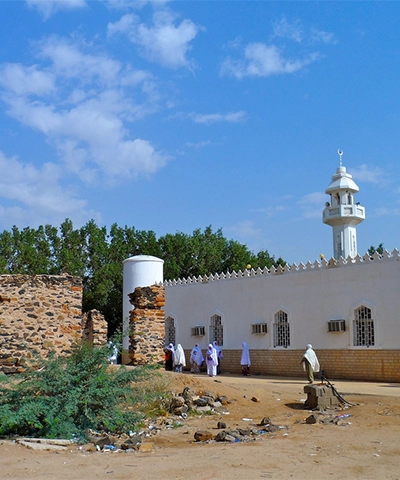
Situated along the old Makkah-Jeddah road (modern-day Ash-Shumaysi), this site witnessed the historic Treaty of Hudaybiyyah in 6 AH. It is also where 1,400 devoted companions took the Pledge of Ridwan beneath a tree, pledging their unwavering allegiance to the Prophet ﷺ—a group he called "the best people on earth today."
Why Visit: Walk in the footsteps of the most loyal companions and reflect on the profound diplomatic victory that paved the way for Islam's expansion.
Go To Location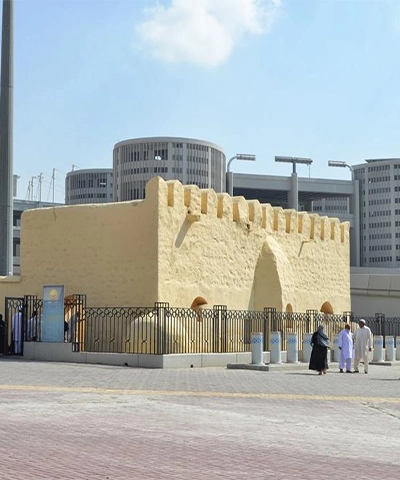
Located at the base of Mount Thubayr overlooking the Jamrat areas, this mosque marks the exact site of the Pledge of Aqabah. Here, the Ansar pledged their allegiance to Prophet Muhammad ﷺ, a monumental event that directly paved the way for the Hijrah to Madinah.
Why Visit: Stand at the foundational site that initiated the migration to Madinah and the birth of the first Islamic state.
Go To Location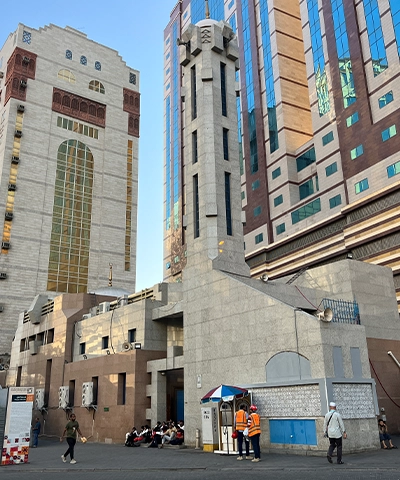
Situated near the Grand Mosque, this significant site marks where the Prophet ﷺ recited the Quran to a group of jinn who subsequently embraced Islam. This miraculous nocturnal meeting prompted the revelation of Surah Al-Jinn: "Indeed, we have heard a wondrous recitation." [Surah Al-Jinn: 1].
Why Visit: Experience the incredible location where the divine message of Islam transcended the human realm.
Go To Location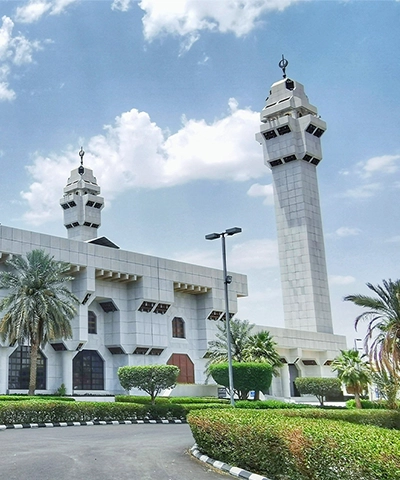
Located west of Makkah, this is one of the closest Miqats (entry points for Ihram) for those already in Makkah. It is named after the Prophet's wife, Aisha (RA), who was instructed by the Prophet ﷺ to enter her Ihram from this exact location during the Farewell Pilgrimage.
Why Visit: Essential for pilgrims wishing to perform additional Umrahs during their stay, offering a seamless and historic spiritual starting point.
Go To Location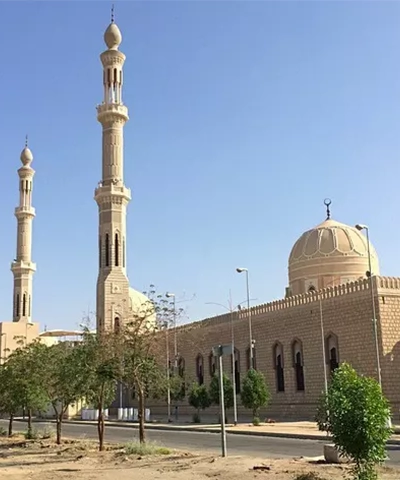
Situated near Mount Arafat, this massive mosque marks the spot where the Prophet ﷺ camped on the Day of Arafat before delivering his historic Farewell Sermon in the Uranah valley. Today, it is where pilgrims gather to pray Dhuhr and Asr combined during Hajj.
Why Visit: Connect with the spiritual climax of Hajj and reflect on the profound final teachings of the Prophet ﷺ delivered nearby.
Go To Location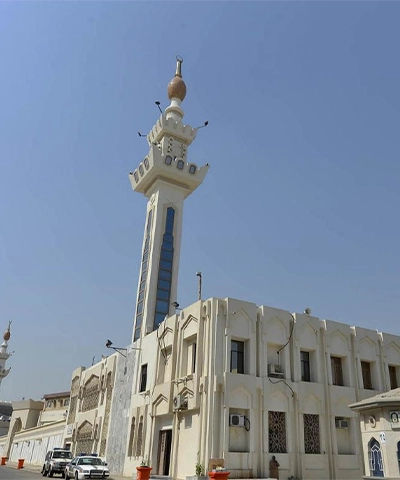
Located in the heart of Mina near the smallest Jamarah, this historic mosque holds immense virtue. It is the very location where Prophet Muhammad ﷺ, along with seventy other prophets before him, camped and prayed during their sacred pilgrimages.
Why Visit: Pray in the same blessed space where generations of prophets rested during their journeys to the House of Allah.
Go To Location
This monumental, multi-level bridge in Mina facilitates the crucial Hajj rite of stoning the Jamarat (pillars). It marks the exact locations where Prophet Ibrahim (AS) fiercely rejected and pelted Shaitan (Satan) when tempted to disobey Allah's command to sacrifice his son, Ismail (AS).
Why Visit: Visualize the profound conviction of Ibrahim (AS) and the sheer scale of the annual Hajj pilgrimage.
Go To Location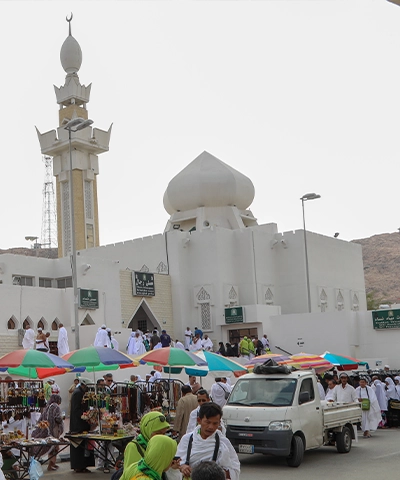
Located northeast of Makkah, this site is rich in military and spiritual history. The Prophet ﷺ camped here to distribute the spoils of the Battles of Hunayn and Autas. He subsequently entered into Ihram from this very spot to perform his third Umrah.
Why Visit: Walk the grounds of early Islamic victories and, for those seeking extra reward, use this historic Miqat to begin a new Umrah journey.
Go To Location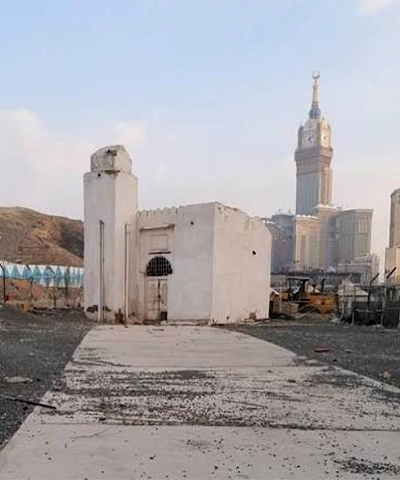
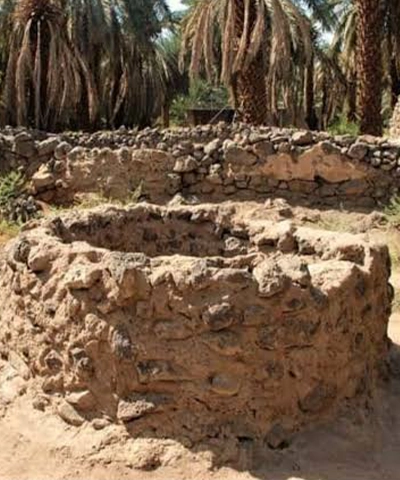
Situated in the valley of Dhi-Tuwa, this ancient well served as a strategic and spiritual resting point. The Prophet ﷺ spent the night here, drank from its waters, and bathed before triumphantly entering Makkah on several occasions, most notably during the Conquest of Makkah.
Why Visit: Witness a rare, preserved landmark of the Prophet's ﷺ life and trace his final physical footsteps before the peaceful reclamation of the Holy City.
Go To Location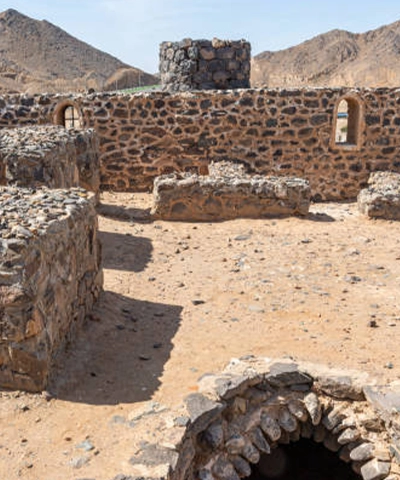
Located 80 kilometers north of Makkah, Asfan is a historic town known for its ancient, fresh water wells. It was a central stop for trade and pilgrimage caravans, and Prophet Muhammad ﷺ passed through this valley on his way to the Conquest of Makkah in 8 AH and during his Farewell Pilgrimage.
Why Visit: Experience an ancient historical route and rest stop frequently used by the Prophet ﷺ and early caravans.
Go To Location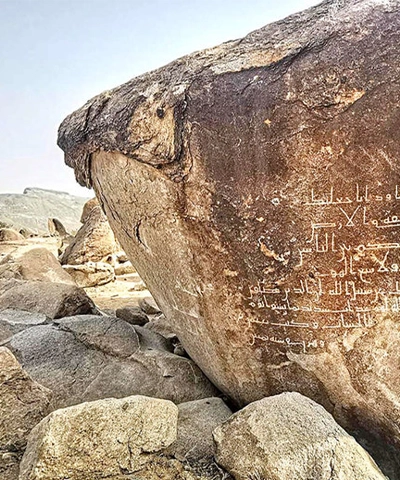
Located in Wadi Al'Usaylah northeast of Makkah, this fertile valley was a historic route for Hajj caravans. The site features over sixty stunning rock inscriptions dating back to the 1st and 2nd Hijri centuries (7th and 8th centuries CE) carved into the Wajrah Mountains, along with ancient wells.
Why Visit: A fascinating glimpse into early Islamic history, offering a rare look at ancient Arabic rock carvings and early pilgrim routes.
Go To Location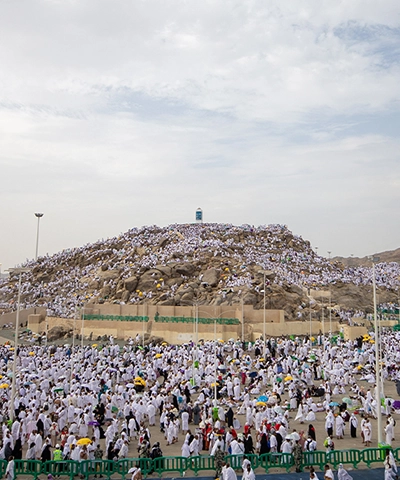
Often called the "Mount of Mercy," this small hill is located on the plains of Arafat. It is the monumental site where Prophet Muhammad ﷺ delivered his famous Farewell Sermon. Standing at Arafat on the 9th of Dhul-Hijjah is the most essential, foundational pillar of the Hajj pilgrimage.
Why Visit: Stand on the blessed Mount of Mercy, a place of profound forgiveness and the historical site of the Prophet's ﷺ final, universal message to humanity.
Go To Location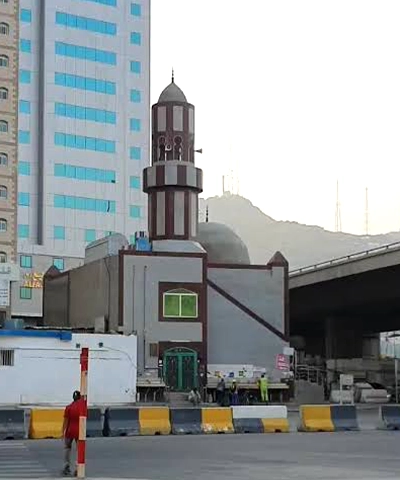
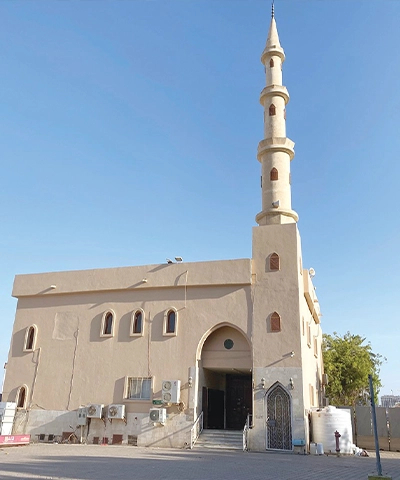
Located in the Ma'la district, this historical mosque marks the spot of a profound miracle. It is where the Prophet ﷺ called a tree, and by the permission of Allah, it uprooted itself, walked to him, and then returned to its original place, confirming his Prophethood.
Why Visit: Reflect on the extraordinary miracles granted to Prophet Muhammad ﷺ at the exact location where nature submitted to his call.
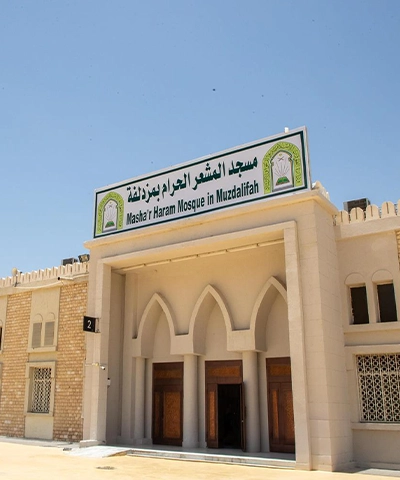
An open, level area near Makkah associated directly with the Hajj pilgrimage. After standing at Arafat, pilgrims travel to Muzdalifah to spend the night under the stars, collect pebbles for the Jamarat, and pray at the Mash'ar al-Haram (the Sacred Monument) as directed in the Quran.
Why Visit: While primarily a Hajj site, visiting it connects you to the monumental journey of millions of pilgrims who gather here in profound humility.
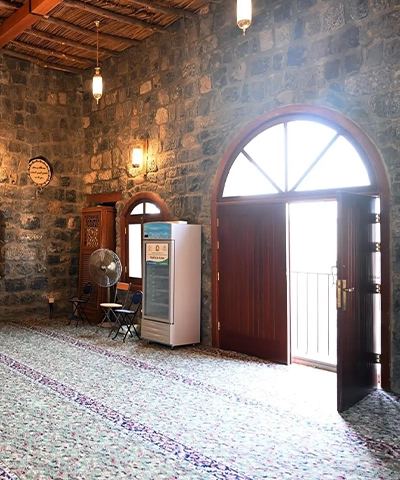
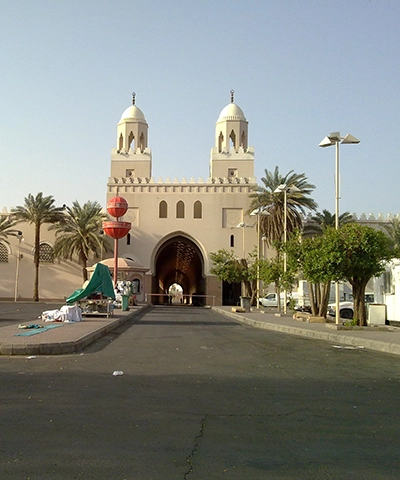
Located near the Al-Mu'alla cemetery, this mosque was built at the exact location where Prophet Muhammad ﷺ commanded his army to plant the Islamic flag during the peaceful Conquest of Makkah in 8 AH.
Why Visit: Stand at the symbolic focal point of the Conquest of Makkah, marking the triumphant and peaceful return of Muslims to the Holy City.
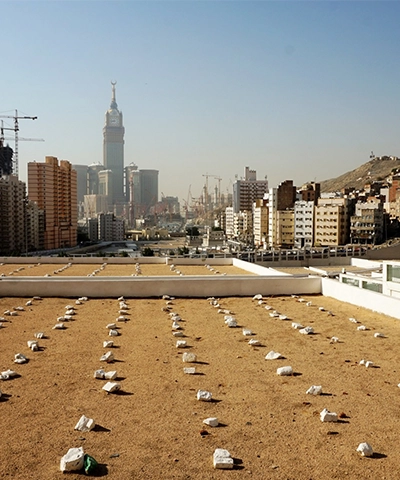
This is the ancient and most significant cemetery in Makkah, located in a valley east of the Grand Mosque. It is the honored resting place of the Prophet's ﷺ beloved first wife, Khadijah bint Khuwaylid (RA), along with his grandfather Abdul Muttalib and his uncle Abu Talib.
Why Visit: Pay respects to Khadijah (RA) and the noble ancestors of the Prophet ﷺ who provided immense support during the early, difficult days of Islam.
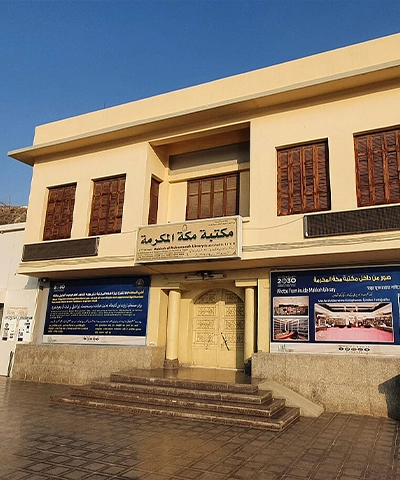
Situated near the Grand Mosque in the historic Banu Hashim valley, this site is traditionally recognized as the house where Prophet Muhammad ﷺ was born in the Year of the Elephant. Today, the location serves as a national library.
Why Visit: Visit the blessed geographical origin of the "Mercy to the Worlds" and feel the profound historical gravity of the Prophet's ﷺ birthplace.
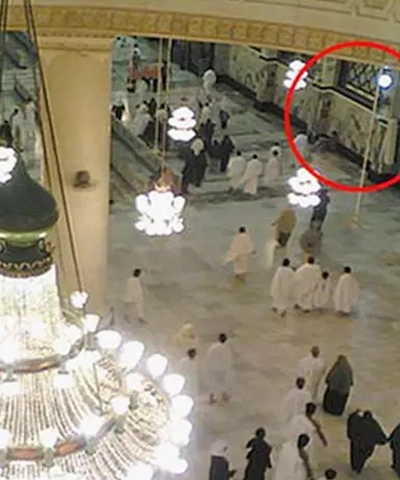
Historically located at the foot of Mount Safa, this was the house of Al-Arqam ibn Abi al-Arqam. It served as the secret gathering place for the early Muslims during the first, heavily persecuted years of Islam in Makkah, where the Prophet ﷺ taught them the Quran and the faith.
Why Visit: Reflect on the intense struggles, resilience, and brotherhood of the very first generation of Muslims who laid the foundation for the Ummah.
First-mover advantage & unmatched expertise in pilgrimage & tourism services.
Tailored spiritual journeys and travel experiences that match your needs.
Decades of excellence serving millions of pilgrims & travelers worldwide.
Red carpet treatment, expedited protocols & luxury fleet for discerning guests.
Agents across continents, strong partnerships ensuring seamless operations.
Alhussam stands for transparency, excellence & spiritual care – your journey, our honor.